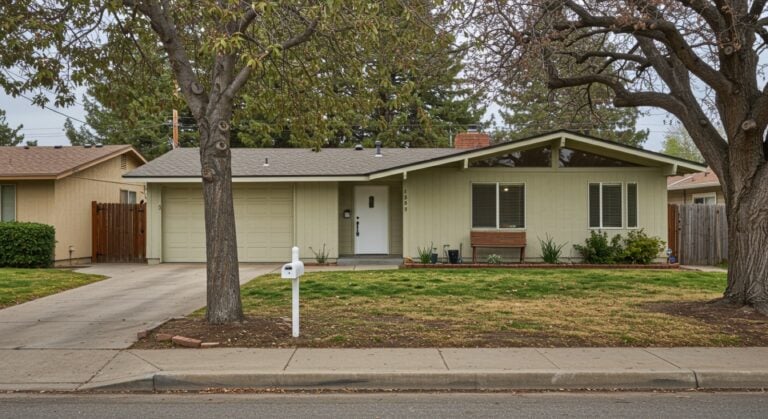
What are the hardest parts of downsizing a Bay Area home?
The hardest parts are logistical and emotional, not financial: clearing decades of belongings, tackling deferred maintenance an older home has accumulated, and timing the sale so you are not carrying two mortgages at once. In California, a primary-residence seller can also exclude a large slice of the capital gain under IRC Section 121 — up to $250,000 single or $500,000 married filing jointly — which removes one common worry, leaving the real work: the house itself and the move.
Why is decluttering decades of belongings so overwhelming?
A home you have owned for 20, 30, or 40 years holds more than furniture — it holds a garage, an attic, a shed, and closets packed with paperwork, keepsakes, and “we might need this someday” items. Sorting it is physically exhausting and emotionally loaded, because nearly every box carries a memory. Most homeowners underestimate the time it takes by a wide margin. The work usually breaks down into:
- Deciding what moves to the smaller place (and what realistically fits)
- Distributing heirlooms and sentimental items to family
- Donating, selling, or hauling away the rest
- Handling the slow-but-necessary paperwork purge
The emotional weight is the part nobody warns you about. Letting go of a dining set the family gathered around for decades, or a workshop a spouse built piece by piece, is not a one-afternoon job — and when adult children live out of the area, coordinating who takes what can stall the whole process for weeks. When you sell to a cash buyer, you do not have to empty the house to “show-ready” standards first. We buy with your belongings still in it, and you take what you want, when you want — no staging deadline forcing the pace, no dumpster rented before you are ready.
How does deferred maintenance complicate a downsizing sale?
Older Bay Area homes carry years of small deferrals that pile up: an aging roof, original galvanized plumbing, knob-and-tube wiring, a furnace on its last season, or a kitchen that has not been touched since the home was bought. None of it stopped you from living there, but on the open market every one of those items becomes a line of negotiation. Listing usually means a buyer’s inspection surfaces all of them, and you are then negotiating credits or scrambling for contractors — exactly the stress a downsizing move is supposed to relieve. An as-is cash sale sidesteps that entirely. You can sell as-is to a cash buyer who handles homes that need repairs, with no inspection-contingency negotiation and no out-of-pocket fix-up before closing. We account for the home’s condition in the offer up front, so there are no surprises mid-escrow and no repair invoices on your side. For a homeowner already managing a move, removing the contractor-coordination layer is often worth more than the few extra dollars a fully renovated listing might fetch.
How do I coordinate the sale with the move and avoid two mortgages?
This is the trap that catches most downsizers. List first and you risk months of showings while paying for a home you are trying to leave; buy the smaller place first and you can end up carrying two mortgages — or two sets of property taxes, insurance, and utilities — until the old one sells. On the open market in the Bay Area, that overlap can stretch 45 to 75 days or longer once you add escrow, appraisal, and a financed buyer’s loan approval, and even an accepted offer can fall through if the buyer’s financing collapses.
A cash sale gives you a firm closing date you can plan the move around. Because we close in as little as 7 days (typically 7-10), you can line up the sale of the old house with the keys to the new one and skip the double-payment limbo. We can also offer a flexible move-out window after closing — so if the new place is not ready, you are not racing a moving truck on closing day. That single piece of flexibility is often what turns a stressful, deadline-driven move into one you can actually sequence at a human pace.
Cash sale vs. listing with an agent when downsizing
The two paths solve very different problems. An agent may chase a higher headline price, but that price comes with prep, showings, repair credits, commissions, and an uncertain timeline — all of which add friction to a move you want to keep simple. Here is the practical comparison for a downsizing seller:
| Factor | Cash sale (Rapid Home Solutions) | Listing with an agent |
|---|---|---|
| Time to close | 7-10 days | 45-75 days (often longer) |
| Repairs & cleanup | None — we buy as-is, belongings and all | You prep, repair, and stage to show |
| Showings | None | Ongoing, on buyers’ schedules |
| Commissions & fees | $0 — no agent commission, no fees | Typically 5-6% commission plus costs |
| Certainty | Firm cash offer, no financing fall-through | Subject to buyer loan approval & appraisal |
| Move-out timing | Flexible window after closing | Usually vacate at or before close |
Will I owe capital gains tax when I downsize my Bay Area home?
For most homeowners downsizing a long-held primary residence, the answer is encouraging. Federal law under IRC Section 121 lets you exclude up to $250,000 of gain if you file single, or up to $500,000 married filing jointly, as long as you owned and lived in the home as your main residence for at least two of the five years before the sale. Given how much Bay Area homes have appreciated over decades, that exclusion shelters a large share of the gain for many sellers — though homeowners who have held an exceptionally appreciated property for 40-plus years should run the numbers, because gain above the exclusion is still taxable. Outcomes are fact-specific — your cost basis, the improvements you have made over the years, and any prior rental use all matter — so confirm your figures with a California tax professional before you close. (This is different from the situation when you have inherited a family home, where a stepped-up basis to date-of-death value applies instead of the §121 exclusion.)
How does an as-is cash sale make downsizing simpler?
Stacked together, the cash path removes the three biggest downsizing headaches at once: no deep clean or staging to fight your decluttering timeline, no repairs to fund or schedule, and no open-ended listing window forcing a second mortgage. You get a clear closing date, a flexible move-out, and a price that already reflects the home as it sits. For an older home full of a lifetime’s belongings, that can be the difference between a move you dread and one you can actually plan. To get a no-obligation cash offer on your Bay Area home, call Rapid Home Solutions at (925) 483-7327 and we will walk you through a closing timeline that fits your move.
By Steven Williams, Founder & CEO, Rapid Home Solutions
This article is general information, not legal or tax advice. Probate, tax, and real-estate rules are fact-specific — consult a California attorney or tax professional about your situation.
Downsizing a Bay Area Home FAQ (California)
What is the hardest part of downsizing a Bay Area home?
The hardest parts are clearing decades of belongings, addressing deferred maintenance in an older home, and timing the sale so you avoid carrying two mortgages. A cash buyer removes the worst of it by purchasing as-is — no clean-out to show-ready standards, no repairs, and a firm closing date you can plan the move around in as little as 7 days.
Do I have to clean out and repair my home before a cash sale?
No. We buy as-is, belongings included. You do not need to stage, deep clean, or fund repairs before closing. Take what you want from the home on your own timeline; we account for the home’s condition in the offer up front, so there are no inspection-contingency negotiations and no repair invoices on your side.
How do I avoid paying two mortgages while downsizing?
Coordinate the sale with the move. Listing on the open market can leave a 45-75 day overlap, but a cash sale gives you a firm closing date in 7-10 days plus a flexible move-out window. That lets you line up selling the old house with getting keys to the new one, avoiding the double-payment limbo most downsizers fear.
Will I owe capital gains tax when I sell my primary home?
Often little or none. IRC Section 121 lets you exclude up to $250,000 of gain if single, or $500,000 married filing jointly, provided you owned and lived in the home for two of the last five years. Given Bay Area appreciation, that shelters a large share of the gain for many sellers. Confirm your specifics with a California tax professional.
How fast can Rapid Home Solutions close on my home?
We close in as little as 7 days, typically 7-10 days, because we pay cash with no financing or appraisal contingency. You also get a flexible move-out window after closing, so you are not racing a moving truck on closing day. Call (925) 483-7327 for a no-obligation cash offer and a timeline that fits your move.